Table of Contents
Introduction
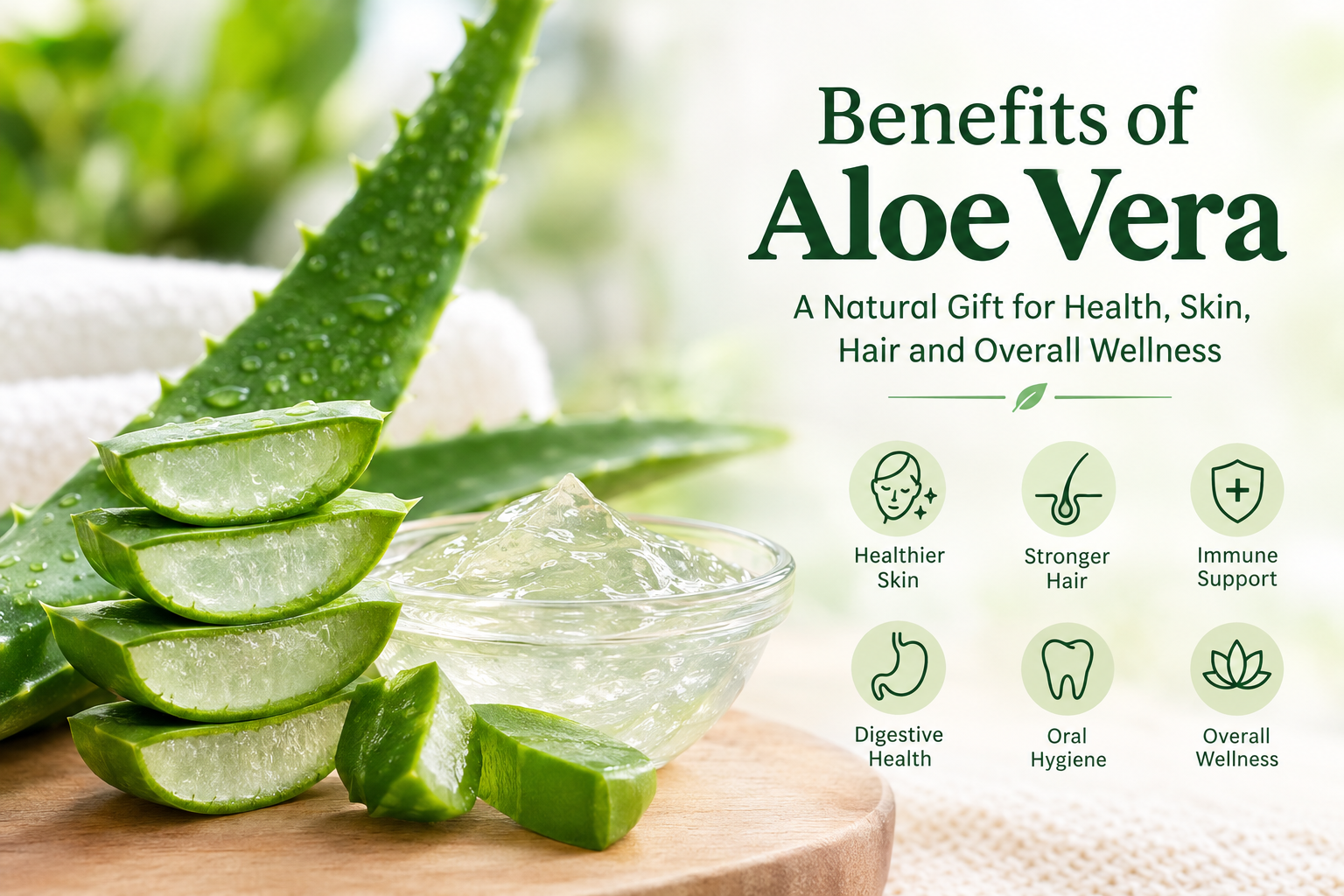
Nature has provided us with many plants that offer valuable benefits for human health and well-being. One such plant is aloe vera, a popular succulent known for its thick, green leaves and transparent gel. For centuries, benefits of aloe vera have been written about in traditional remedies, skincare routines, hair care products, and wellness practices. Today, it is widely found in cosmetics, moisturizers, shampoos, soaps, dietary supplements, and various personal care products.
Aloe vera is particularly popular because of its versatility. Its gel contains water, vitamins, minerals, amino acids, and other naturally occurring compounds that may help soothe the skin, support wound healing in certain situations, and provide moisturizing benefits. It is also used in some oral products and beverages, although the safety and effectiveness of consuming aloe vera depend on the preparation and amount used.
The growing interest in natural skincare and wellness has made aloe vera a common ingredient in households worldwide. However, it is important to understand that natural ingredients are not automatically safe for everyone, and scientific evidence supporting aloe vera varies depending on the intended use. So, the benefits of aloe vera are immense
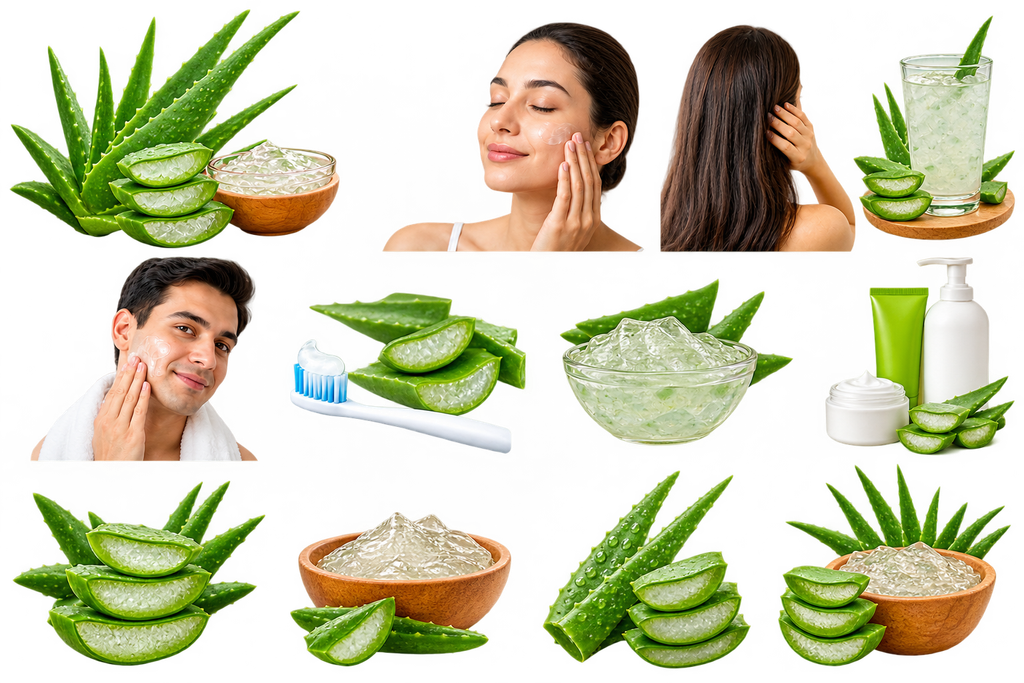
This article explores the major benefits of aloe vera, including its uses for skin, hair, digestion, oral hygiene, and general wellness, along with important precautions for its safe use.
1. Helps Moisturize the Skin – Benefits of Aloe Vera
One of the best-known benefits of aloe vera is its ability to moisturize the skin. Aloe vera gel contains a high percentage of water, making it a refreshing ingredient in skincare products.
When applied to the skin, aloe vera gel can help provide hydration and leave the skin feeling soft and smooth. It is often included in moisturizers, face gels, body lotions, and after-sun products.
Unlike some heavy creams, lightweight aloe vera gels may feel comfortable on oily or combination skin. However, aloe vera alone may not provide sufficient moisture for people with very dry skin. Using a suitable moisturizer after applying aloe vera can help retain hydration.
Aloe vera may also be useful in skincare routines during hot weather because of its cooling sensation. Nevertheless, it should not replace sunscreen, which is essential for protecting the skin from harmful ultraviolet radiation.
2. May Help Soothe Sunburn and Minor Skin Irritation – Benefits of Aloe Vera
Aloe vera is commonly used to soothe skin that feels hot, dry, or irritated. Its cooling effect can provide temporary comfort after exposure to the sun or other mild sources of irritation.
Some research suggests that topical aloe vera may help support the healing of certain minor burns. However, evidence concerning its effectiveness for sunburn and different types of wounds is mixed, and it should not be considered a substitute for appropriate medical treatment.
Additionally, the benefits of aloe vera extend beyond its soothing properties. This plant contains a variety of vitamins, minerals, and antioxidants that contribute to overall skin health. Some studies indicate that its anti-inflammatory properties may help reduce redness and swelling, further enhancing its appeal as a natural remedy for skin issues. Furthermore, aloe vera has been recognized for its moisturizing capabilities, making it an excellent choice for individuals dealing with dry skin conditions. Incorporating aloe vera into a skincare routine can support skin hydration and promote a healthier complexion, provided it is used alongside other protective measures.
It is important to remember that aloe vera does not prevent sunburn and cannot reverse all the damage caused by ultraviolet rays. Severe burns, extensive blistering, fever, confusion, or signs of dehydration require prompt medical attention. Aloe vera should not be applied to deep or serious burns without professional guidance.
3. Supports the Healing of Certain Minor Wounds – Benefits of Aloe Vera
Aloe vera has attracted scientific interest because it contains compounds that may influence inflammation, skin hydration, and tissue repair.
Some studies indicate that topical aloe vera preparations may help the healing of particular minor wounds and burns. However, results vary, and the evidence is not strong enough to recommend aloe vera for every wound or skin injury.
For small, uncomplicated cuts and scrapes, proper cleaning and suitable wound care remain the priorities. Aloe vera should only be used when appropriate for the particular injury and product.
Deep cuts, animal bites, infected wounds, and wounds that do not heal properly require medical assessment. People with diabetes or conditions that affect circulation should be particularly careful with skin injuries.
Although aloe vera is often described as a natural healing agent, it is more accurate to say that it may support certain aspects of skin recovery in specific circumstances.
4. May Help Improve the Appearance of Acne-Prone Skin – Benefits of Aloe Vera
Aloe vera is frequently used by people who want a simple skincare routine. Its lightweight texture and moisturizing properties may make it suitable for some individuals with acne-prone skin.
Aloe vera contains naturally occurring substances that have demonstrated anti-inflammatory or antimicrobial activity in laboratory studies. However, laboratory findings do not necessarily mean that applying aloe vera will effectively treat acne in everyday use.
Some limited research suggests that aloe vera may offer additional benefits when used alongside established acne treatments. It should not be regarded as a proven standalone treatment for moderate or severe acne.
People with acne-prone skin should choose products labelled non-comedogenic when possible and avoid formulations containing irritating fragrances or other unsuitable ingredients.
A patch test is advisable before applying aloe vera to the entire face. If acne is painful, persistent, or causing scars, consulting a dermatologist is preferable to relying solely on home remedies.
5. May Help Calm Certain Skin Conditions – Benefits of Aloe Vera
Aloe vera is used in products designed for sensitive, dry, or irritated skin. Its moisturizing properties may help relieve dryness, while its cooling sensation may temporarily reduce discomfort.
Some people use aloe vera for conditions such as mild irritation or itching. However, its effectiveness varies, and scientific evidence is insufficient to establish it as a reliable treatment for eczema, psoriasis, or other chronic skin disorders.
People with these conditions should follow a treatment plan recommended by a qualified healthcare professional. Aloe vera may be considered an additional skincare product if it is compatible with the treatment plan and does not trigger irritation.
It is also worth noting that even natural products can cause allergic reactions. Redness, burning, itching, swelling, or a rash after application are signs that the product should be discontinued.
6. May Support Scalp Health – Benefits of Aloe Vera
A healthy scalp is important for maintaining comfortable, manageable hair. Aloe vera is commonly added to shampoos, conditioners, scalp serums, and hair masks because of its moisturizing and soothing properties.
Its gel may help reduce the feeling of dryness and make the scalp feel refreshed. Some people also find it helpful when their scalp feels tight or uncomfortable.
However, there is limited scientific evidence that aloe vera directly promotes hair growth or prevents hair loss. Claims that it can cure baldness, reverse hereditary hair loss, or rapidly increase hair density are not well established. So there are so many benefits of Aloe Vera
Hair loss can result from several factors, including genetics, nutritional deficiencies, hormonal changes, medical conditions, and stress. Identifying the underlying cause is more effective than relying on a single natural ingredient.
For routine hair care, aloe vera can be used as a conditioning ingredient if it suits the scalp. People experiencing persistent itching, scaling, inflammation, or significant hair loss should seek appropriate medical advice.
So these are the Benefits of Aloe Vera
Conclusion
In conclusion, the numerous benefits of aloe vera, ranging from its healing properties to its versatility in skincare and nutrition, make it an invaluable addition to a healthy lifestyle. Embracing aloe vera can enhance well-being and promote natural healing. To further explore the potential of this remarkable plant, we invite you to download our comprehensive guide, which offers detailed insights and practical tips on incorporating aloe vera into your daily routine. Unlock the full potential of aloe vera today and elevate your health journey.